
When people talk about “the economy,” it often feels like a distant concept, something only policymakers or investors worry about.
But in reality, economic trends shape everything from the price of groceries to the kind of jobs available in your city.
5 Economic Trends That Could Shape Your Future
As we step further into the mid-2020s, certain shifts are standing out more than others. These aren’t just abstract theories—they’re practical, everyday forces that could directly influence your lifestyle, finances, and career decisions.
Let’s take a closer look at five economic trends that are worth keeping an eye on, and why they matter for your future.
1. The Ongoing Battle with Inflation
Inflation has been the buzzword of the early 2020s, and in 2025, it’s still a big player.
Even though inflation rates have cooled compared to the peaks of the early decade, prices remain higher than many households would like. Everyday essentials—housing, healthcare, and food—are still taking larger portions of monthly budgets. Wages have risen, but often not enough to match the pace of rising costs.
So what does this mean for the average person? It means financial habits are changing. People are shopping smarter, turning to bulk buying, discount retailers, and subscription-based grocery services to stretch their dollars. Budgeting apps have become indispensable tools, helping families stay on top of price fluctuations.
The long-term impact of inflation is reshaping how people save and invest. More households are looking for assets that can hedge against inflation—real estate, commodities, and even inflation-protected bonds are gaining popularity. While inflation isn’t new, its persistence is forcing people to rethink what financial security looks like in everyday life.
2. The Rise of Green and Sustainable Economies
Another economic trend that’s hard to ignore is the growing focus on sustainability.
Governments, corporations, and consumers are all paying more attention to the environmental impact of economic activity. Green energy projects—solar, wind, and hydro—are no longer fringe investments. They’re mainstream, and they’re creating jobs in everything from construction to technology.
For individuals, this shift means new opportunities. Careers in renewable energy, sustainable design, and environmental consulting are booming. Even traditional sectors, like manufacturing and transportation, are being transformed by sustainability requirements. Consumers, too, are adapting by choosing eco-friendly products and supporting brands that prioritize social responsibility.
This trend isn’t just about doing the right thing for the planet. It’s about money. Businesses that ignore sustainability risk losing customers, facing fines, or missing out on subsidies. For everyday people, embracing sustainable living—whether through energy-efficient homes, electric vehicles, or eco-friendly products—can also mean lower long-term costs. The green economy is no longer a prediction; it’s an evolving reality shaping decisions today.
3. The Transformation of Work and Careers
Work has always been tied to economic shifts, and right now, we’re living through one of the most significant transformations in decades.
Remote work, once considered temporary, has become a permanent fixture for millions. Hybrid models, where employees split time between home and office, are becoming the norm. This flexibility is reshaping not just the workplace but also where people live, how they commute, and what kind of housing they choose.
Beyond where we work, how we work is changing, too. Automation, artificial intelligence, and digital tools are taking over repetitive tasks, freeing workers for more creative and strategic roles. At the same time, this creates anxiety: some jobs are disappearing altogether, requiring workers to reskill or pivot to new industries.
For younger generations, this trend is both exciting and daunting. The “career ladder” looks more like a “career web” now, with people moving laterally into different industries instead of sticking to one path for life. Lifelong learning, professional flexibility, and adaptability are becoming must-have skills. In short, your job title may change several times over the next few decades—and that’s becoming the new normal.
4. The Digital Finance Revolution
Money itself is evolving, and this trend is shaping personal finance in surprising ways.
Digital banking has become standard, with most people managing their accounts entirely online. Mobile wallets, peer-to-peer payment apps, and contactless transactions are so common that cash is almost becoming a relic. Cryptocurrency, while volatile, remains a serious player in certain circles, influencing everything from investment strategies to government regulations.
Central banks are even experimenting with digital currencies, raising questions about how money will function in the near future. For individuals, this creates both opportunities and challenges. On one hand, digital finance offers convenience, transparency, and faster transactions. On the other, it raises concerns about privacy, security, and the stability of new financial systems.
Another piece of the puzzle is democratized investing. Platforms that allow fractional shares, robo-advisors, and low-cost trading apps have opened the door for more everyday people to enter the stock market. Financial literacy is more important than ever, because with so many options available, it’s easy to make hasty decisions. This digital revolution is rewriting the playbook on saving, investing, and spending.
5. The Shifting Global Landscape
Finally, no discussion of economic trends would be complete without looking at the global picture.
Geopolitical tensions, trade agreements, and global supply chains have a direct impact on local economies. The pandemic highlighted just how interconnected the world has become, and those lessons are still influencing decisions today. Countries are rethinking supply chain dependencies, investing in domestic production, and balancing globalization with national security.
For everyday people, this trend shows up in subtle ways: the price of imported goods, the availability of certain technologies, or the resilience of industries in your area. A global shortage in one sector can ripple across the world, raising prices for everything from cars to groceries.
At the same time, globalization continues to create opportunities. Digital nomadism—working remotely from anywhere in the world—is more common than ever. International collaboration in fields like science, healthcare, and technology is accelerating innovation. While the global economy may feel unstable at times, it’s also driving progress and creating new ways for individuals to connect and thrive.
How These Trends Interconnect
One thing to remember is that these economic trends don’t exist in isolation. They overlap, influence, and amplify one another.
For example, the rise of the green economy ties directly to the transformation of work, as new jobs emerge in renewable energy. Inflation influences digital finance, pushing people toward alternative investments. Global tensions affect supply chains, which in turn shape consumer prices and job opportunities.
Understanding the connections helps individuals and businesses prepare more effectively. Instead of reacting to each change separately, it’s about seeing the bigger picture and adapting with agility.
The Everyday Impact on Your Life
So what does all this mean in practice? It means that your budget, career, and lifestyle will continue to evolve alongside these trends.
Housing decisions may be influenced by remote work opportunities. Your grocery bill might fluctuate because of global supply chain shifts. Your investments could be shaped by inflation or the rise of digital currencies. Even your choice of car or home appliances may be tied to the green economy.
The point isn’t to overwhelm but to highlight how these large-scale economic forces trickle down into daily decisions. By paying attention now, you can make smarter choices that position you for stability and growth in the future.
Practical Steps You Can Take
Understanding trends is one thing, but applying them to your own life is where the real value lies. Here are a few ways to prepare for the future:
- Stay financially flexible: Build an emergency fund and diversify investments to protect against inflation and market swings.
- Embrace lifelong learning: Keep skills fresh and adaptable to stay competitive in a changing job market.
- Go green where possible: Invest in energy-efficient solutions, not just for the planet but for your wallet.
- Adopt digital finance wisely: Use technology to simplify money management, but be cautious of risks.
- Think globally, act locally: Be aware of global trends while supporting resilient, local businesses.
These steps won’t shield you completely from change, but they can help you navigate it with confidence.
See more:
Toyota Financial Services Auto Loan Guide — Financing Tailored for Toyota Owners

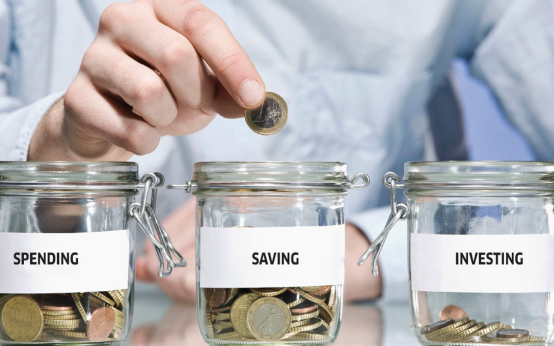 8 Steps to Create a Family Budget That Prioritizes Daily Savings
  10 Ways to Adjust Your Lifestyle Amid Rising Daily Living Costs
  Strategies for Managing Credit Card Debt Effectively: Top Tips