
Credit scores play a massive role in modern life. They determine if you can buy a house, finance a car, or even land a job.
Yet, despite how important they are, few people truly understand how credit scores work. Between online rumors, outdated advice, and general confusion, it’s no wonder so many people believe things that just aren’t true.
Falling for these credit score myths can cost you real money. They can prevent you from qualifying for better interest rates, limit your borrowing options, and even make you take actions that unintentionally hurt your score.
To manage your finances effectively, you need the facts—not the fiction. Let’s debunk nine of the biggest credit score myths that are still floating around today.
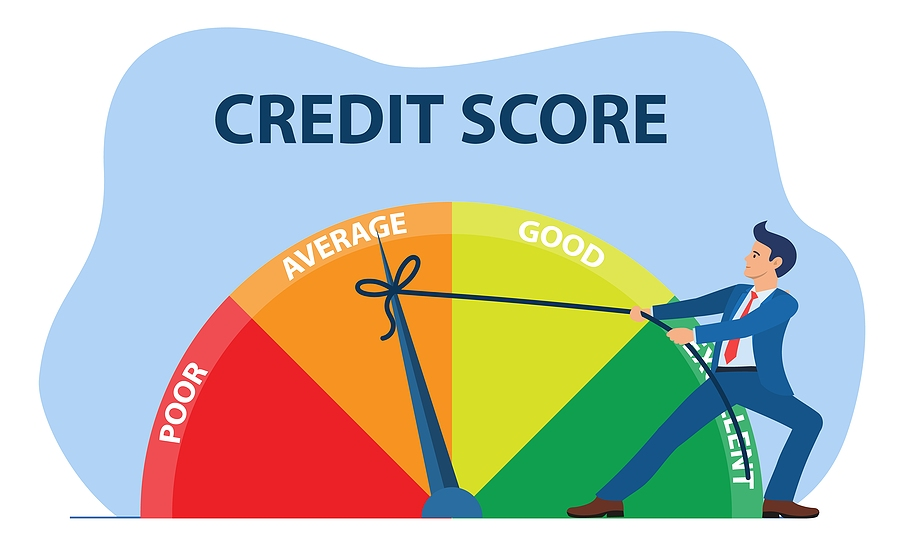
9 Myths About Credit Scores You Should Forget
Here are the most common misconceptions about credit scores—and the truth behind each one.
1. Checking Your Credit Score Hurts It
This myth has been around forever, but it’s completely false. Checking your own credit score through legitimate channels—like a credit bureau, your bank, or a monitoring app—does not hurt your score.
When you check your score, it’s considered a soft inquiry, which has no impact. Only hard inquiries, like when a lender checks your credit for a loan or credit card application, can slightly lower your score for a short period.
In fact, regularly checking your credit is smart—it helps you catch errors and monitor your progress. The only danger is ignoring it.
2. Carrying a Balance Improves Your Score
Some people think keeping a small balance on their credit cards helps their score. It doesn’t. In reality, carrying a balance means paying interest unnecessarily. Your score benefits more from paying off balances in full each month.
Credit utilization—the percentage of available credit you’re using—is a key factor in your score. Keeping it below 30% (or even lower) shows lenders you manage credit responsibly. Carrying a balance, on the other hand, just costs you money.
Paying in full is always the smarter move.
3. Closing Old Accounts Helps Your Score
Many people close old or unused credit cards thinking it’ll boost their credit score, but the opposite is often true. Closing accounts reduces your total available credit, which can increase your utilization ratio and lower your score.
Additionally, older accounts contribute to the “length of credit history,” another key scoring factor. When you close them, you shorten your average account age—something credit models don’t like.
Unless an old card has high fees or security issues, keeping it open can actually help your credit health.
4. All Debt Affects Your Score the Same Way
Not all debt is created equal. Credit cards, personal loans, mortgages, and student loans each affect your score differently.
For instance, revolving credit (like credit cards) impacts your utilization ratio, while installment loans (like car loans or mortgages) affect your payment history and credit mix. Having a healthy variety of both types of credit shows lenders you can handle multiple forms of debt responsibly.
Paying off high-interest debt first makes sense financially—but from a credit perspective, how you manage each type matters more than how much you owe.
5. You Only Have One Credit Score
Another major misconception is that everyone has just one credit score. In reality, you have dozens of them. Different scoring models—like FICO and VantageScore—calculate your score using slightly different criteria.
Even within the same model, your score can vary depending on which credit bureau (Experian, TransUnion, or Equifax) provides the data. Lenders might use different versions based on the loan type—mortgage, auto, or credit card.
So if you see slightly different scores across platforms, don’t panic—it’s completely normal. Focus on the general range and trends, not the exact number.
6. You Need to Be Debt-Free to Have Good Credit
Being debt-free sounds great—but ironically, it can hurt your credit score. Your credit score is built on your history of managing debt, so if you have no open accounts or recent activity, your profile can look “inactive” or incomplete.
Lenders want to see that you can handle borrowing responsibly, not that you avoid it entirely. The key is using credit wisely, not avoiding it altogether.
Keep at least one credit card open, use it occasionally, and pay it off in full to keep your score active and strong.
7. Income Directly Affects Your Credit Score
Your income doesn’t appear anywhere on your credit report—and it’s not part of your credit score calculation. You could earn six figures and have bad credit, or make a modest salary and have excellent credit.
Credit scores focus on how you manage your debts, not how much money you make. That said, income indirectly affects your ability to make payments, which in turn influences your score.
So while income matters for loan approval, it doesn’t impact your credit score directly—your habits do.
8. You Can Fix Your Score Overnight
Unfortunately, there’s no quick fix for a bad credit score. Improving it takes time, consistency, and good habits. Anyone promising to “instantly repair” your credit is selling a scam.
The best way to rebuild is simple: pay your bills on time, lower your credit utilization, and avoid new hard inquiries. Over time, those actions have a powerful compounding effect.
Think of credit improvement as a long-term project, not a one-day miracle. The slow, steady approach always wins.
9. A High Score Guarantees Loan Approval
Even with an excellent credit score, you can still be denied a loan. Lenders consider multiple factors beyond credit—like income, employment stability, debt-to-income ratio, and overall financial health.
A great score gets you in the door and helps you qualify for the best rates, but it’s not the only thing that matters. Always review the full list of loan requirements before applying.
Remember: your credit score is a key piece of the puzzle, not the whole picture.
Conclusion
Credit scores can feel mysterious, but they’re not as complicated as they seem once you separate myth from fact. The truth is, building and maintaining good credit comes down to a few core principles: paying on time, keeping balances low, and using credit responsibly.
Forget the outdated advice and online rumors. Understanding how credit really works gives you power—the power to make smarter financial decisions and avoid traps that cost time and money.
Your credit score isn’t just a number—it’s a reflection of your habits. And with the right knowledge, you can make sure that reflection tells a story of stability, trustworthiness, and control.
See more:

 8 Financial Patterns That Slowly Improve Your Life
  14 Financial Adjustments to Make in Uncertain Times
  10 Lifestyle Changes That Strengthen Your Finances